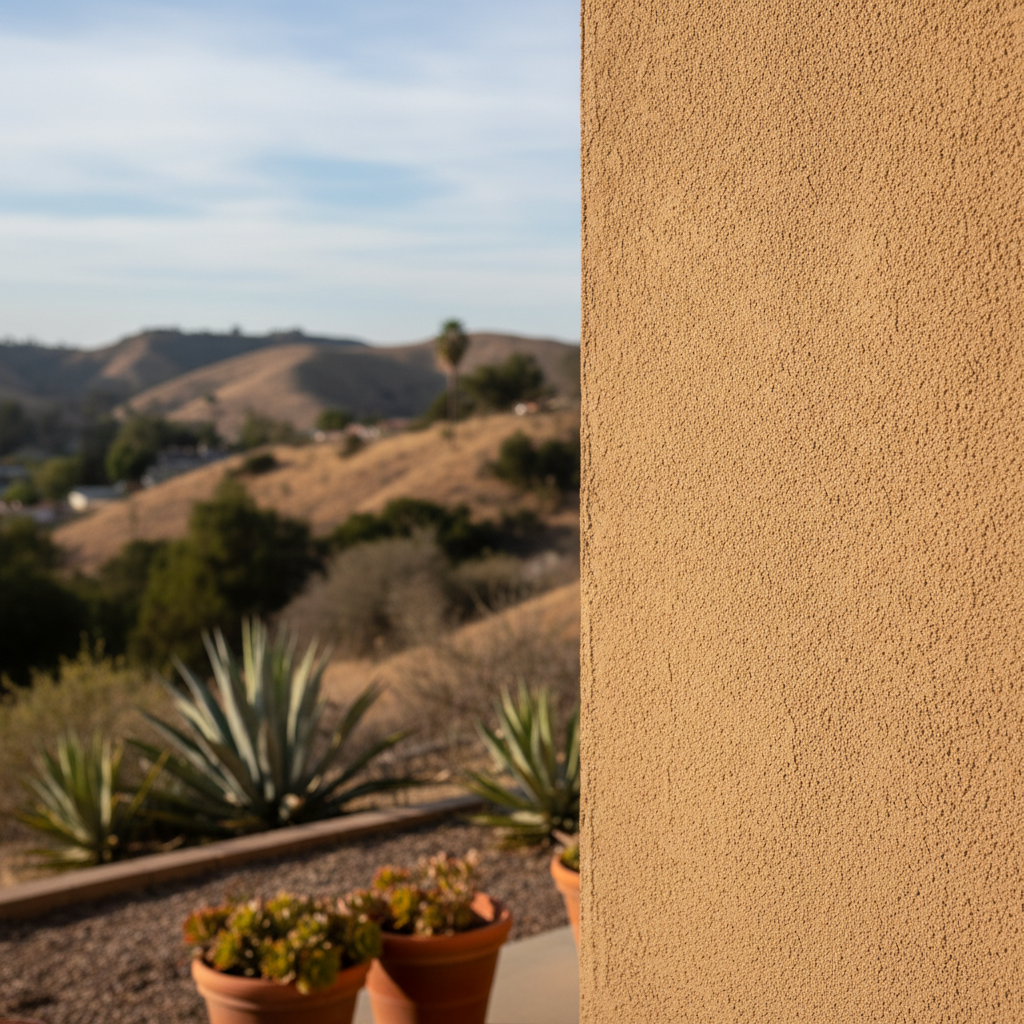
So, you're looking at your stucco and thinking it's seen better days, huh? Maybe the color's faded, or you're seeing some hairline cracks pop up. You've heard about 'redashing' and you're wondering if that's the right move for your National City home. Well, let's talk about it. As someone who's been doing this work here for a long time, I get a lot of the same questions. Here's what you really need to know about stucco redashing, straight from me.
What exactly is stucco redashing, anyway?
Alright, let's clear this up first. Stucco redashing — sometimes called a 're-coat' or 'fog coat' — is when we apply a fresh, thin layer of finish coat right over your existing stucco. Think of it like giving your house a really good facelift without a full-blown reconstruction. We're not tearing everything off down to the studs; we're just revitalizing that top layer. This process is all about making things look fresh again, making it more durable, and fixing minor surface imperfections like fading or small cracks.
How do I know if my stucco needs redashing, or something more serious?
This is a big one, and it's where my experience really comes in. You'll often see signs like discoloration, fading, or a chalky texture on your stucco. Those are usually good indicators that redashing could be a practical solution. You might also notice a bunch of hairline cracks. Small hairline cracks are pretty common as houses settle and materials expand and contract, especially with our temperature swings here in National City. A few isolated ones aren't usually a huge deal, and redashing can often cover and protect them.
Now, if you're seeing bigger cracks – I'm talking wider than an eighth of an inch – or if the stucco feels soft, spongy, or crumbles when you press on it, that's a different story. Those are signs of deeper issues, possibly moisture damage or structural movement, and redashing won't fix that. You might hear a hollow sound when you tap on the wall, which could mean the stucco layers are separating. If you see rust stains bleeding through, that's a red flag for corroding metal lath underneath. In those cases, you're likely looking at repairs that go beyond a simple redash, possibly even a full restucco where we go deeper to fix the underlying problems.
How long does a redashed stucco finish actually last?
A properly applied redash can significantly extend the life and good looks of your stucco. While stucco itself can last 50 to 80 years or more if it's installed and maintained correctly, a redash is about refreshing that top layer. It's not a permanent fix for underlying structural issues, but it definitely adds a renewed protective barrier. Here in National City, with our constant sun exposure and occasional marine layer, that fresh finish coat adds another layer of protection against fading and minor surface cracking. To keep it looking good and performing well, you'll want to keep up with maintenance, like cleaning and promptly addressing any new small cracks.
What's the difference between redashing and a full restucco?
This is a common point of confusion. Redashing is primarily a cosmetic and protective refresh. We're working with the existing, sound stucco base, cleaning it, making minor repairs to hairline cracks, and then applying a new finish coat. It's less invasive and generally more cost-effective than a full restucco.
A full restucco, on the other hand, is a much more extensive process. It usually involves removing the old, damaged stucco, sometimes all the way down to the sheathing, and then applying a new multi-layer stucco system (scratch coat, brown coat, and finish coat). You'd opt for a full restucco if there's widespread damage, significant cracking, moisture intrusion, or if the original stucco system was installed incorrectly. If your home has been painted in the past, and you want to truly restore the stucco, sandblasting off that old paint is often necessary before a new stucco layer can bond properly. A full restucco is a structural maintenance event that resets the clock on your home's exterior envelope.
Do I need a permit for stucco redashing in National City?
For most cosmetic stucco repairs, like sealing hairline cracks, patching a single damaged area, or just refreshing the finish coat (which is what redashing usually falls under), you typically don't need a building permit in California. These types of projects are often considered ordinary maintenance. However, if the work involves a full restucco, structural substrate repair (like replacing lath, paper, or sheathing over a big area), or any work that changes the exterior cladding system, then you usually DO need a permit. Rules can vary by city, so it's always best for your contractor to know the local National City requirements and pull a permit if one is necessary. We're always on top of that here at National City Stucco & Plastering.
What's the best time of year to get redashing done in National City?
Timing matters for stucco work. The ideal conditions for applying stucco are consistently warm temperatures, generally between 50°F and 85°F, with low risk of rain. This allows the stucco to dry and cure evenly. So, late spring through summer is often the sweet spot. Early fall can also be a good option in mild climates like ours, but you have to watch out for sudden temperature drops at night or unpredictable rain. You definitely want to avoid extremely hot days (above 90°F) without proper moisture control, because rapid drying can lead to surface cracks. Also, applying stucco during strong Santa Ana winds can cause it to