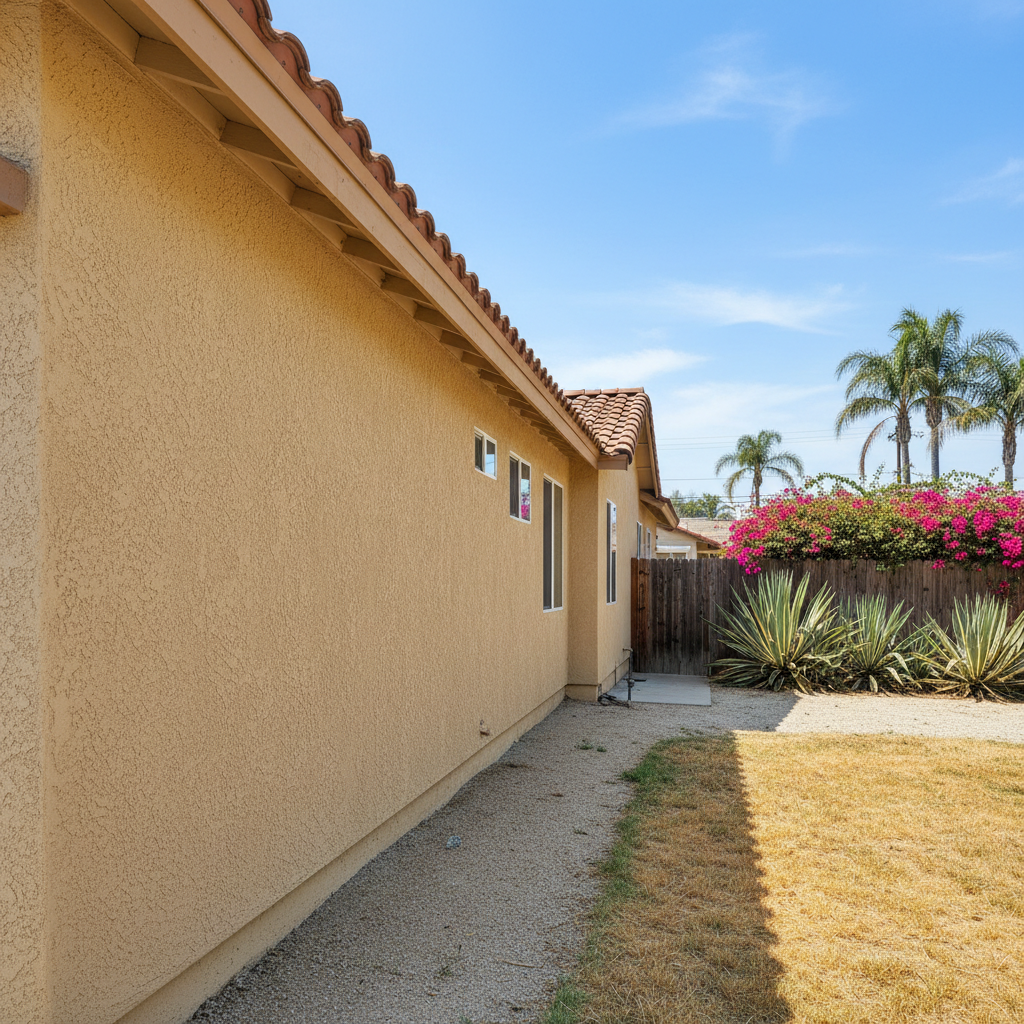
Alright, let's talk about your home's stucco here in National City. You've got this durable, good-looking exterior, but it's not a "set it and forget it" kind of deal, especially with our unique Southern California climate. Salt air, humidity, and those temperature swings can really put stucco to the test. I've seen it all, from homes right by the bayfront to those further inland in areas like Old Town, and the truth is, a little proactive care goes a long way in extending the life of your stucco.
Keeping Your Stucco Strong: Regular Maintenance
You want your stucco to last for decades, right? Well, it's not magic; it's consistent, smart maintenance. Here's what I tell folks:
- Rinse it Down Regularly: This is a big one for us near the coast. That salt air and marine layer we get? It leaves salt particles on your stucco. Over time, that salt can really eat away at the surface and even corrode the metal lath underneath. I'm talking about rust jacking, where expanding rust cracks the stucco. A good rinse with fresh water from your garden hose every few months—maybe every 3-4 months—will wash those surface salts away. Don't blast it with high pressure; a gentle rinse is all you need.
- Check Your Drainage: Water is stucco's biggest enemy. Make sure your gutters and downspouts are clean, and that they're directing water away from your foundation. If water pools around the base of your house, it'll soak into the stucco and lead to deterioration. Good landscaping practices that ensure proper drainage around your home are also key.
- Seal it Up: A high-quality, breathable sealant is a smart move. It forms a protective barrier, cutting down on moisture absorption and keeping that salty air from doing its damage. You'll want to reapply this every few years, or sooner if you see it wearing off.
- Paint Smart: If your stucco is painted, a fresh coat isn't just for looks. It's an extra layer of protection against moisture and salt. Just make sure you're using paint specifically formulated for stucco and suitable for coastal climates. Some homeowners even opt for elastomeric or flexible acrylic finishes that can stretch with temperature changes, helping prevent cracks.
- Keep an Eye on Caulking: Check the caulk around your windows, doors, and any other penetrations. If it's cracking or deteriorating, water can easily get in behind your stucco.
Warning Signs You Can't Ignore
Your stucco will usually give you clues when something's wrong. Don't wait until it's a huge problem. Here are the red flags I look for:
- Cracks: Not all cracks are equally serious. Hairline cracks (under 1/16 inch) can happen from normal drying or minor temperature shifts. You can often patch these yourself with an elastomeric or acrylic-based patch. But if you see wider cracks—especially those running diagonally from windows or doors, or vertically from the foundation—that's a sign of bigger movement or structural issues. These need professional attention.
- Discoloration and Stains: Dark stains, especially after rain or fog, mean moisture is getting in and not drying out. Greenish mold or mildew growth also points to persistent dampness. White, powdery residue, called efflorescence, is salt migrating to the surface with moisture, and it means water is getting behind your stucco.
- Bulging or Blistering: If your stucco looks like it's bubbling or bulging outwards, that's a major warning sign. It usually means moisture is trapped behind the stucco, causing it to delaminate from the wall.
- Soft Spots: If you push on your stucco and it feels soft or spongy, that's a clear indicator of water damage and potential rot underneath.
- Peeling Paint: If your paint is bubbling, peeling, or flaking, it's often because moisture is trapped underneath.
When to Call National City Stucco & Plastering
Look, some things you can handle yourself, but other problems need a pro. Here's when you should definitely pick up the phone:
- Widespread or Recurring Cracks: If you're seeing cracks that keep coming back, growing, or are wider than a credit card, don't just patch them. There's an underlying issue that needs to be properly diagnosed and fixed.
- Any Sign of Trapped Moisture: Bulging, significant discoloration, persistent mold, or soft spots are all indicators of moisture intrusion. This can lead to serious damage to the wood framing and sheathing behind your stucco if not addressed quickly.
- Damage Around Windows, Doors, or Rooflines: These are common areas for flashing failures, which let water in. If you see issues here, it's best to get an expert to check the flashing and seals.
- You're Not Sure: If you're looking at something and just have a gut feeling it's not right, call us. It's always better to have an experienced eye take a look. We can tell you if it's a minor fix or something that needs a more in-depth repair. Early detection can save you a lot of money and headaches down the road.
Your home is a big investment, and its stucco exterior is its first line of defense against our National City environment. Taking care of it means protecting that investment. Don't hesitate to reach out to National City Stucco & Plastering if you've got questions or need a hand.